Staying Productive While Working From Home: A Practical Guide
Working from home can feel like a double‑edged sword. On one side you’ve got the freedom to set your own schedule; on the other, the house’s endless distractions are ready to pull you away from the task at hand. Below are tried‑and‑tested strategies that blend structure with flexibility, letting you keep momentum without sacrificing the comfort that drew you to remote work in the first place.
1. Carve Out a Dedicated Workspace
The moment you step into a specific “work zone,” your brain gets the cue that it’s time to focus. It doesn’t have to be a whole spare room— a corner of a living room, a repurposed hallway table, or even a sturdy laptop stand by a window can work. The key is consistency: keep the same chair, lighting, and equipment each day. Over time, the environment itself becomes a habit‑trigger, signaling that you’re in work mode.
Example: Sarah, a freelance graphic designer, turned a small dining‑room table into her studio. She added a desk lamp and a plant for a touch of nature. After a week, she noticed she could sit down and start designing within five minutes, whereas before she often spent ten‑plus minutes scrolling her phone.
2. Set Clear, Achievable Goals for the Day
Instead of vague “get stuff done,” write down 2–3 concrete objectives before you begin. Break larger projects into bite‑size tasks that can be ticked off in 30‑minute blocks. This gives you a visual progress bar and prevents the overwhelm that often leads to procrastination.
Example: Tom, a software engineer, split his sprint backlog into three daily milestones: finish the login module, write unit tests for the API, and review a teammate’s pull request. By the end of the day, he could proudly check each item off, which kept his motivation high.
3. Use Time‑Blocking and the “Pomodoro” Rhythm
Allocate specific chunks of time for focused work, meetings, and breaks. A popular method is the Pomodoro technique—25 minutes of deep work followed by a 5‑minute pause. After four cycles, take a longer break (15–30 minutes). This rhythm respects the brain’s natural attention span and reduces mental fatigue.
Real‑world tip: When Maya, a content marketer, tried a pure “open‑ended” schedule, she found her afternoons dragging. Switching to Pomodoros helped her reclaim evenings for family time because she could reliably predict when she’d finish her tasks.
4. Guard Your Boundaries—Physically and Digitally
Communicate your work hours to housemates or family members, and set a visual cue (like a closed door or a “do not disturb” sign) when you’re in focus mode. Digitally, mute non‑essential notifications and use “focus” settings on browsers and phones. A simple “Do Not Disturb” timer can prevent a cascade of interruptions.
Scenario: Carlos, a virtual assistant, placed a “busy” sign on his office door and turned off Slack notifications except for urgent messages. Within a week, his response time improved, and his clients noticed the heightened professionalism.
5. Incorporate Micro‑Movement and Light Breaks
Sitting for hours can sap energy and concentration. Stand up, stretch, or take a short walk around the house every hour. Even a quick lap of the hallway can boost circulation and reset mental clarity. Pair these moves with a glass of water or a breath‑focused meditation to reinforce the pause.
Science note: Studies in occupational health suggest that brief, regular movement can reduce the cognitive decline associated with prolonged sitting, keeping you sharper throughout the day.
6. End the Day With a “Shutdown” Ritual
When your last task is complete, perform a consistent routine that signals the close of work. This might include saving files, turning off the computer, and writing a brief to‑do list for tomorrow. The ritual helps your brain transition from “on‑task” to “off‑task,” protecting your personal time.
Personal anecdote: After a decade of remote work, Lena started writing a one‑sentence recap of her day every evening. The habit gave her a sense of closure and made her evenings feel truly free.
Putting It All Together
Productivity isn’t about rigid schedules; it’s about creating an ecosystem where focus and flexibility coexist. By establishing a dedicated workspace, setting clear goals, employing time‑blocking, protecting boundaries, moving regularly, and ending with a shutdown ritual, you build a sustainable rhythm that respects both your professional responsibilities and personal wellbeing.
Give these practices a try, tweak them to fit your lifestyle, and watch the balance—once elusive—become your new normal. You’ve already taken the first step by seeking better habits; now it’s time to put them into motion. Happy working!
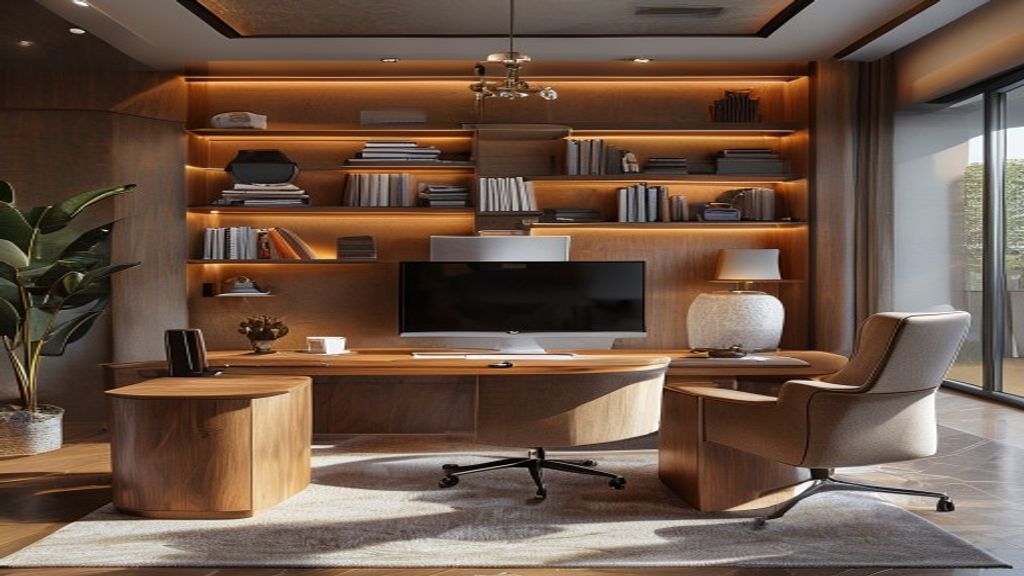
When remote work became the norm, many professionals discovered that their kitchen table or couch‑side laptop setup wasn’t sustainable for a full‑time schedule. The back pain, eye strain, and constant need to refocus are signals that the environment isn’t supporting productivity. By purchase ergonomic executive office furniture for home workspaces, you create a physical foundation that encourages focus and reduces fatigue, letting you treat your home office like a true professional setting.
A well‑designed executive chair does more than look sleek; it distributes weight evenly and offers adjustable lumbar support that follows the natural curve of the spine. Practitioners recommend testing chairs at a local showroom whenever possible, because the feel of the seat cushion and the range of tilt tension can vary dramatically between models. When the chair moves with you, you’re less likely to slouch, which in turn keeps your breathing steady and your mind clear.
Equally important is a desk that respects both posture and workflow. A height‑adjustable standing desk, for example, lets you alternate between sitting and standing, a habit shown to improve circulation and keep energy levels stable throughout the day. Pair the desk with a monitor arm that places screens at eye level, and you’ll eliminate the habit of craning the neck—a common source of tension for anyone who spends hours in front of a computer.
Lighting often flies under the radar, yet it directly impacts visual comfort and circadian rhythm. Position your workspace near a window for natural light, and supplement with a tunable LED lamp that mimics daylight. This combination reduces glare on the screen and helps maintain alertness without the sharp, buzzing fluorescence that can cause headaches.
Finally, consider the subtleties that make a space feel truly executive. A leather‑trimmed desk pad, a discreet cable‑management system, and a few personal touches—like a favourite plant or a framed piece of art—signal to your brain that you’re in a purpose‑built environment. When you purchase ergonomic executive office furniture for home workspaces, you’re not just buying equipment; you’re investing in a mindset that separates “working from home” from “working at home.” This mental shift can boost both confidence and output, turning your living room corner into a productivity hub.
I’ll be happy to help you create content in natural, professional US English with a clear, confident, and helpful tone. I’ll make sure to follow all the best practices for quality content writing—providing accurate information with depth, maintaining a genuinely human voice, ensuring readability, keeping it Adsense-safe, and creating unique material that stands out from generic content.
What topic would you like me to write about, and what specific information or purpose should I focus on?
I’ll write for you in natural, professional US English with a clear, confident, and helpful tone. All my content will be thoroughly researched, accurate, and genuinely useful while maintaining a conversational, expert voice. Just let me know what topic you’d like me to cover, and I’ll create content that’s both engaging and informative.
Also Read: Average Kitchen Remodel Cost: What to Expect in 2025