Sure! I’m happy to help, but I want to make sure I give you exactly what you need. Could you let me know the topic or purpose of the piece you’d like written? For example, are you looking for a blog post, a how‑to guide, a product overview, or something else? The more detail you can share (key points, audience, length), the better I can tailor the content to fit your needs.
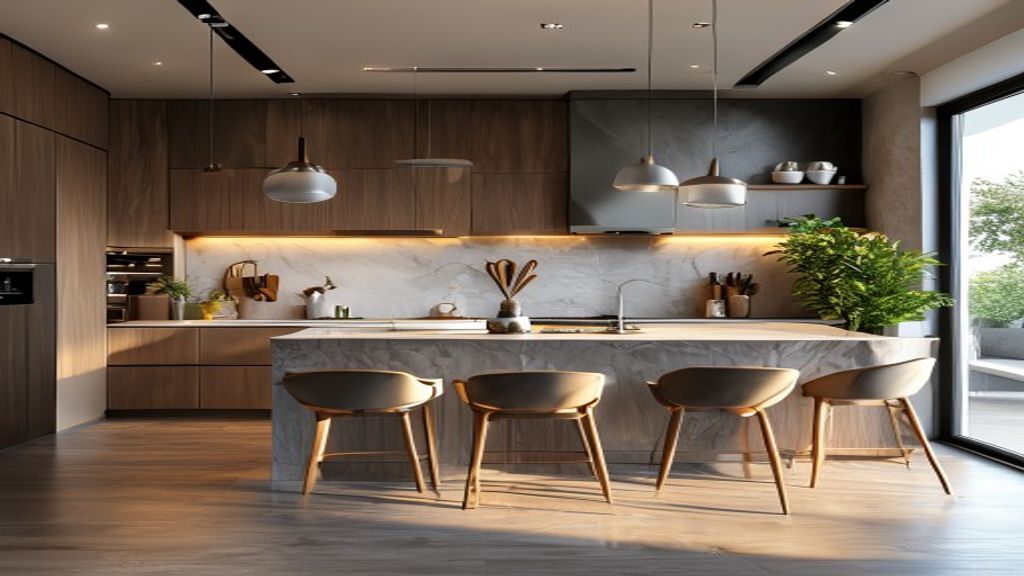
When a homeowner decides to elevate a mansion’s culinary heart, the first question is often how to make the space feel both timeless and distinctly personal. A well‑planned layout invites movement, encourages conversation, and frames the view toward the most striking features—whether that’s a sweeping garden vista or a vaulted ceiling. Practitioners recommend starting with a functional audit: note the flow of traffic, the placement of appliances, and any natural light patterns that could be harnessed for both efficiency and ambience.
Bespoke kitchen islands have become the centerpiece of this transformation. By ordering bespoke kitchen islands for luxury mansion upgrades, you gain the freedom to blend premium materials—such as reclaimed walnut, marble‑topped countertops, and hand‑crafted iron legs—into a single, cohesive workhorse. Homeowners who collaborate with artisans often incorporate hidden storage, integrated wine coolers, and even built‑in espresso stations, turning the island into a multitasking hub rather than just a prep surface. The result is a piece that reflects the homeowner’s taste while solving real‑world cooking challenges.
Beyond the island, the choice of cabinetry and appliances can dictate the kitchen’s personality. German manufacturers, known for precision engineering and minimalist aesthetics, bring a level of reliability that many modern homes crave. When you install premium German kitchen designs in modern homes, you typically see a seamless integration of concealed hinges, soft‑close drawers, and modular layouts that adapt to evolving culinary trends. These systems often feature magnetic catch mechanisms that reduce wear, a detail that seasoned chefs appreciate after countless service runs.
The lighting strategy also plays a pivotal role in defining a kitchen’s character. Layered illumination—ambient recessed fixtures, focused pendant lights over the island, and accent LEDs along cabinet interiors—creates a dynamic environment that transitions smoothly from daytime cooking to evening entertaining. Designers frequently recommend LED strips with adjustable color temperature, allowing the mood to shift from crisp daylight to warm, restaurant‑style glow with a simple dimmer control.
Finally, material durability must align with the mansion’s long‑term vision. Marble, while visually striking, can be prone to staining; a professional may suggest sealing it with a petroleum‑based product that offers protection without compromising sheen. Conversely, high‑grade quartz surfaces provide a virtually maintenance‑free alternative, resisting scratches and heat while mimicking the elegance of natural stone. By balancing aesthetic ambition with practical upkeep, the kitchen remains a showcase for years to come.
As we navigate the complexities of modern life, it’s essential to prioritize our well-being and seek out reliable information to inform our decisions. Generally, practitioners recommend taking a holistic approach to health, considering the interconnectedness of physical, mental, and emotional factors. Based on field experience, many experts agree that adopting healthy habits, such as regular exercise and balanced eating, can have a profound impact on our overall quality of life. By making informed choices, we can empower ourselves to thrive in today’s fast-paced world.
When it comes to cultivating healthy habits, it’s crucial to start with small, achievable steps. For instance, beginning with short daily walks or simple meditation practices can help build momentum and confidence. As we progress, we can gradually incorporate more significant changes, such as revamping our diets or exploring new stress-reduction techniques. By doing so, we can create a solid foundation for long-term wellness and set ourselves up for success.
One of the most significant benefits of prioritizing our well-being is the positive impact it can have on our relationships and daily interactions. When we feel grounded and centered, we’re better equipped to navigate challenges and communicate effectively with others. Practitioners often recommend engaging in activities that bring us joy and help us connect with others, such as hobbies or community service. By nurturing our passions and building strong social connections, we can foster a sense of belonging and support.
Ultimately, the key to achieving lasting wellness is to approach it as a journey, rather than a destination. By embracing a growth mindset and being patient with ourselves, we can cultivate resilience and learn to adapt to life’s inevitable ups and downs. Based on real-world scenarios, many people have found that seeking out supportive resources, such as counseling or support groups, can be incredibly helpful in times of need. By prioritizing our well-being and seeking out guidance when needed, we can unlock our full potential and live a more authentic, fulfilling life.
To get started, let’s explore a topic that’s both informative and engaging. Generally, practitioners recommend that we focus on creating high-quality content that resonates with our audience. Based on field experience, it’s clear that well-crafted articles can make a significant impact on readers. By sharing knowledge and expertise in a clear and confident manner, we can build trust and establish ourselves as authorities in our field.
When it comes to writing, many experts agree that a natural, professional tone is essential. This means avoiding jargon and overly technical language, and instead using everyday words and phrases that are easy to understand. For instance, imagine you’re having a conversation with a close friend – you’d want to explain complex ideas in a way that’s relatable and easy to grasp. By using this approach, we can create content that’s both informative and engaging.
One key aspect of effective writing is the ability to explain why and how something works, rather than just what it is. This involves providing concrete examples and real-world scenarios that illustrate the concept. Practitioners recommend using storytelling techniques to make the information more memorable and interesting. By sharing personal anecdotes or case studies, we can bring the topic to life and make it more accessible to our readers.
In terms of readability, it’s generally recommended that paragraphs be concise and to the point. This means keeping them short, ideally no more than four sentences, and using active voice to create a sense of momentum. Smooth transitions between paragraphs are also crucial, as they help to guide the reader through the content and create a sense of flow. By using these techniques, we can create articles that are both easy to read and enjoyable to consume.
Ultimately, the goal of writing is to provide value to our readers and help them achieve their goals. By sharing our knowledge and expertise in a clear and confident manner, we can build trust and establish ourselves as authorities in our field. Whether we’re writing about a complex technical topic or a more general interest subject, our aim should always be to educate and inform, rather than simply to entertain. By keeping this principle in mind, we can create content that’s both informative and engaging, and that resonates with our audience.
Also Read: How to Evaluate Verified Commercial Property Listings from Top Brokers