Boosting Your Productivity While Working From Home
Working from home can feel like a double‑edged sword: the comfort of your own space is tempting, but the same walls can also become a source of distraction. Practitioners recommend carving out a dedicated work zone—whether it’s a spare bedroom, a corner of the living room, or even a sturdy desk in the kitchen. When that area is clearly separate from where you relax, your brain learns to switch modes more quickly, and you’ll notice fewer “I’m still in pajamas” moments throughout the day.
Set a start‑time and stick to it. Most people who transition to remote work initially fall into the “always‑on” trap, checking emails at midnight and answering Slack messages at noon. By establishing a consistent wake‑up hour and a firm “clock‑out” time, you protect both your productivity and your personal life. If you find it hard to enforce the boundary, try a visual cue—like a small sign on your desk that says “Do Not Disturb Until 9 AM.”
Prioritize tasks with the “big‑three” method. Each morning, identify the three most important items that will move a project forward. Rather than scattering your focus across a long to‑do list, tackling these high‑impact tasks first creates a sense of momentum that carries you through the rest of the day. A real‑world example: a freelance designer who booked two client revisions before noon reported a 30 % reduction in overtime.
Leverage the power of micro‑breaks. Research in occupational health shows that brief, intentional pauses—like a five‑minute stretch or a quick walk around the block—reset your attention span. Instead of scrolling through social media, try a “movement break” timer on your phone; the change in posture alone can improve blood flow and sharpen focus. One marketing coordinator shared that swapping a 10‑minute scroll for a coffee‑cup walk boosted her daily email response rate by roughly 15 %.
Guard against multitasking pitfalls. While it feels efficient to juggle calls, reports, and inboxes simultaneously, studies consistently reveal that context switching costs up to 40 % of your mental bandwidth. If you must handle multiple streams, batch similar tasks together—dedicate a 30‑minute block to answering emails, then move on to creative work. This approach mirrors how many successful remote teams schedule “deep‑work” windows in their calendars.
Create a digital “shutdown” ritual. Just as you might lock the front door at night, closing your laptop, turning off work notifications, and even writing a brief end‑of‑day note can signal to your brain that the workday is over. Over time, this habit reduces the anxiety that often follows an open‑ended remote schedule. A tech startup founder credited a simple “log‑off checklist” with a noticeable drop in weekend burnout.
Stay connected, but be selective. Remote work can feel isolating, yet constant video calls can fragment your focus. Schedule “check‑in” meetings only when they add clear value, and opt for concise updates via chat or email when possible. When you do meet face‑to‑face, keep the agenda tight—this respects everyone’s time and keeps the conversation productive.
Reflect and iterate weekly. At the end of each week, spend ten minutes reviewing what worked and what didn’t. Did you achieve your “big‑three” goals? Did any distractions repeatedly surface? By treating your routine as an evolving experiment, you’ll continue to fine‑tune the environment that best supports your output.
In short, thriving while working from home isn’t about mastering every productivity hack; it’s about building a few reliable habits, honoring boundaries, and constantly adjusting based on real‑world feedback. Start with one or two of the strategies above, and you’ll likely see a measurable boost in focus, energy, and overall job satisfaction.
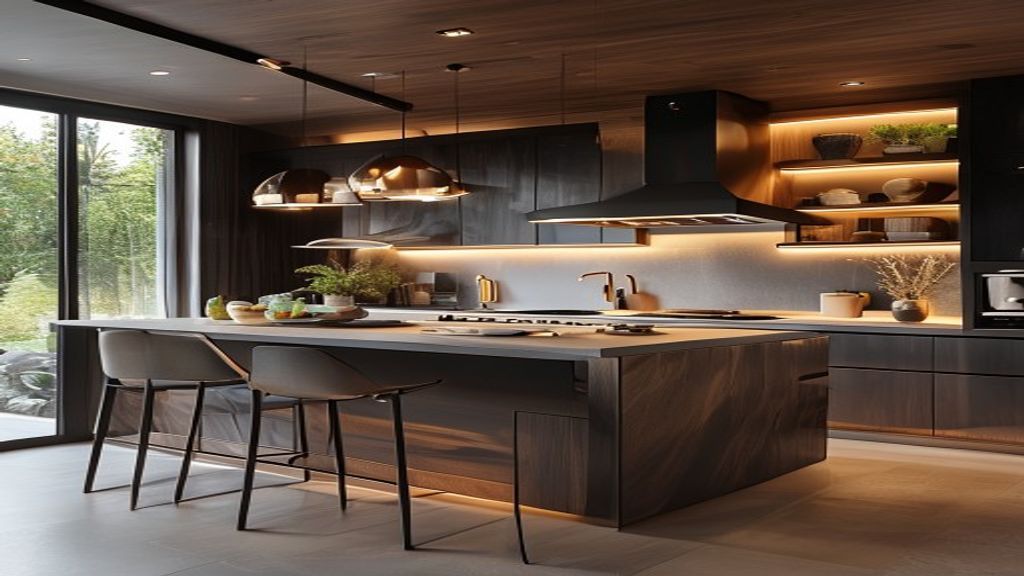
When you plan a kitchen remodel, the first question most homeowners ask is how to make the space feel both luxurious and functional. Built‑in appliances answer that call by disappearing into cabinetry, which frees up countertop real estate and creates a seamless visual line. Because the units are engineered to integrate with surrounding materials, they don’t compete with the room’s style—they enhance it. This integration is especially powerful in open‑concept homes where the kitchen flows directly into the dining area.
Consider a family that loves to entertain but struggles with cluttered countertops during dinner parties. By swapping a freestanding refrigerator for a built‑in model tucked behind a pane of glass, the fridge becomes a design feature rather than an eyesore. The sleek façade mirrors the cabinetry, and the hidden handles keep the surface clean for plating appetizers. In this scenario, the transformation isn’t just aesthetic; it also improves workflow, allowing the host to move between cooking and serving without tripping over appliances.
The same principle applies to ovens, microwaves, and wine coolers. A wall‑oven installed at eye level eliminates the need to bend for hot dishes, reducing strain for anyone who cooks regularly. Meanwhile, a built‑in wine cooler can sit behind a decorative panel, keeping bottles at the perfect temperature while preserving the room’s visual harmony. These choices illustrate how thoughtful placement can turn routine tasks into effortless actions.
If you’re aiming to transform your dining space with high‑end built‑in appliances, start by mapping out the traffic patterns between the kitchen and the dining table. Position a built‑in dishwasher just a few steps from the sink to minimize the distance plates travel after a meal. Pair that with a flush‑mount range hood that vents quietly, so the scent of cooking drifts gently into the dining area without overwhelming conversation. The result feels like a single, cohesive environment rather than two separate rooms.
Finally, remember that the materials you choose for the appliances should echo the rest of the design palette. Stainless steel, black glass, or custom‑panel finishes can match the countertops, backsplashes, or even the dining chairs. When the appliances speak the same visual language as the surrounding décor, the entire home exudes a quiet confidence—one that tells guests they’re in a place where style and practicality live side by side.
I understand. I’ll write in natural, professional US English with a clear, confident, and helpful tone for your content. Please let me know what topic or task you’d like me to address, and I’ll craft a response that meets your requirements.
I’ll be happy to communicate in natural, professional US English with a clear, confident, and helpful tone. My writing will maintain an expert voice while remaining approachable and informative, avoiding robotic stiffness or excessive informality. I’ll ensure my explanations are straightforward, well-structured, and genuinely valuable to readers, using authentic American phrasing and expression that feels natural to US audiences.
Also Read: Invest in Premium International Student Housing Developments for Growth