How to Write an Effective Email Newsletter – A Practical Guide
1. Know Your Audience Before You Hit “Compose”
The first step isn’t about the subject line; it’s about who you’re speaking to.
Take a few minutes to sketch a quick profile of your typical reader—job title, daily challenges, and what they hope to gain from your messages.
When you understand their motivations, you can tailor every sentence to answer a specific need rather than delivering a generic broadcast.
For example, a software‑development newsletter that highlights new Git workflows will resonate more with engineers than a broad “tech‑news” roundup.
2. Craft a Purpose‑Driven Subject Line
A good subject line does two things: it promises value and it creates curiosity without being vague.
Instead of “Monthly Update,” try “5 Quick Tips to Reduce Code Review Time This Week.”
The promise is clear, and the reader instantly knows what’s inside.
If you’re unsure, A/B test a couple of variations on a small segment of your list; the version with higher open rates tells you which phrasing clicks with your audience.
3. Open With a Personal Hook
The opening sentence should feel like a friendly hello, not a corporate memo.
Think of the first line as a bridge that connects you to the reader’s current situation.
Example: “I noticed many of you mentioned bottlenecks in your CI pipelines—here’s a fix that helped our team shave five minutes off each build.”
By referencing a common pain point, you demonstrate empathy and set the stage for the content that follows.
4. Structure the Body for Skimmability
Most readers skim rather than read every word.
- Use sub‑headings that act like mini‑questions (e.g., “Why does this matter?”).
- Bullet points keep information bite‑size; each bullet should convey one clear idea.
- Bold key phrases such as “actionable step” or “free resource” to draw the eye.
A practical flow might be: problem → quick tip → deeper dive (optional) → call‑to‑action.
5. Provide Real‑World Examples
Abstract advice loses impact without context.
If you recommend “automating test suites,” walk the reader through a short case study:
> Our dev team integrated Jest with GitHub Actions. After two weeks, the average test run time dropped from 12 minutes to 7 minutes, freeing up time for feature development.
Such narratives show the “how” behind the suggestion and make the benefit tangible.
6. End With a Clear, Low‑Friction Call‑to‑Action (CTA)
A newsletter should always leave the reader with a next step that feels easy to take.
Instead of a vague “Learn more,” specify the action:
- “Download the free checklist”
- “Register for the 15‑minute webinar”
- “Reply with your biggest CI challenge”
Pair the CTA with a deadline or limited‑seat notice to add gentle urgency without pressure.
7. Optimize for Deliverability and Readability
- Plain‑text fallback: Include a simple version of your message for recipients whose email clients block HTML.
- Responsive design: Use a single‑column layout; it renders well on both desktops and mobile devices.
- Alt text for images: Describe any visual content so readers using screen readers aren’t left guessing.
8. Review, Test, and Iterate
Before sending, run a quick checklist:
- Does every sentence serve the newsletter’s purpose?
- Are links working and labeled clearly?
- Have you removed any jargon that could confuse a newcomer?
Send a test email to a colleague, ask for feedback on tone and clarity, then adjust. Over time, track metrics like open rates, click‑through rates, and reply volume; let those numbers guide your next revisions.
Bottom Line: An effective email newsletter blends audience insight, concise structure, and real‑world relevance.
By treating each edition as a short, purposeful conversation, you’ll build trust, drive engagement, and keep subscribers looking forward to the next message.
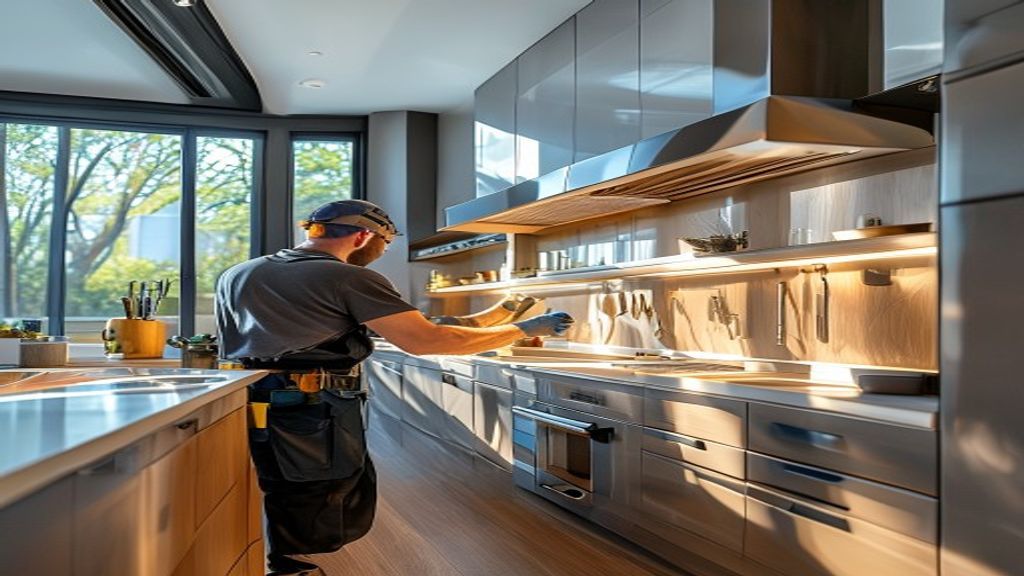
When you redesign a dining area, the first instinct is often to focus on furniture, lighting, or wall color. Yet the appliances that sit just out of sight can have a surprisingly strong impact on both function and atmosphere. Built‑in refrigerators, wine coolers, and convection ovens blend seamlessly with cabinetry, freeing up floor space for chairs, tables, and decorative pieces. By treating these units as architectural elements rather than afterthoughts, you lay the groundwork for a more cohesive room.
One of the most immediate ways to elevate a space is to Transform Your Dining Space with High-End Built-In Appliances that match the surrounding wood tones or metal finishes. A stainless‑steel built‑in fridge with a glass‑door panel, for example, can echo the sleek lines of a contemporary dining table while still providing generous storage for fresh produce and beverages. Because the appliance is recessed, you avoid the visual clutter of freestanding models, which often disrupt the flow of conversation.
Beyond aesthetics, built‑in appliances improve workflow. A wine cooler positioned within reach of a sideboard allows guests to grab a bottle without navigating a crowded kitchen aisle. Meanwhile, a built‑in microwave or convection oven integrated into a low wall unit keeps hot dishes warm without the need for a separate countertop gadget. This kind of arrangement reduces the number of steps between preparation and serving, a benefit that seasoned hosts repeatedly cite.
Choosing the right appliance also means thinking about durability and maintenance. High‑end models typically feature sealed compressors, anti‑corrosion coatings, and customizable panels that can be replaced as trends evolve. For families that entertain frequently, a well‑engineered built‑in dishwasher with adjustable racks can handle larger loads while preserving the visual harmony of the room. When you invest in quality, you’re not just buying a piece of equipment—you’re adding a lasting design asset.
Finally, consider how technology can enhance the dining experience. Many premium built‑in refrigerators now include smart temperature zones, touchscreen interfaces, and even voice‑activated lighting that can dim the surrounding cabinets for a dinner‑time ambience. Pairing these features with a subtle, built‑in wine cooler allows you to set the perfect temperature for each bottle, turning a simple meal into a curated event. In practice, these intelligent touches reinforce the idea that you can Transform Your Dining Space with High-End Built‑In Appliances without sacrificing comfort or convenience.
I’d be happy to help you create content in natural, professional US English with a clear, confident, and helpful tone.
To get started, could you please let me know what specific topic or subject you’d like me to write about? Whether it’s an article, blog post, educational content, or any other type of writing, I’m ready to help create something valuable for your audience.
I understand completely. I’ll write in natural, professional US English that’s clear, confident, and helpful for any topic you’d like me to address. I’ll use American spelling and conventions, maintain an approachable yet authoritative tone, and ensure the content is genuinely useful to readers.
Whenever you’re ready with a specific topic or assignment, I’ll craft content that meets these standards while following all the principles outlined in my instructions. What would you like me to write about?
Also Read: How Direct Owner Luxury Property Listings Streamline Your Home Search