How to Write SEO‑Friendly Blog Posts — A Practical Guide for Busy Creators
Creating content that both humans and search engines love isn’t magic; it’s a series of intentional choices. Below are five concrete steps you can start using today, each explained with the “why” and “how” that keep your writing grounded, useful, and genuinely readable.
1. Pinpoint a Real‑World Question
Why it matters: Search users often type a specific problem (“how to fix a leaky faucet”) rather than a generic phrase (“plumbing tips”). When you target a clear question, you align your post with actual intent and increase the chance of appearing in featured snippets.
How to do it:
- Use keyword tools (Google Keyword Planner, AnswerThePublic) to spot question‑format queries with moderate search volume.
- Scan forums, Reddit threads, or Quora for the exact phrasing people use.
- Draft a headline that mirrors that question, e.g., “How to Fix a Leaky Faucet in 5 Minutes”.
2. Structure the Post Like a Mini‑Course
Why it matters: Readers (and Google’s algorithms) appreciate logical flow. A well‑structured outline signals depth, helping the page rank for longer‑tail variations.
How to do it:
- Open with a brief “what you’ll learn” paragraph—no more than three sentences.
- Break the body into 3‑5 sub‑sections, each answering a sub‑question (e.g., “Identify the leak,” “Gather tools,” “Turn off water”).
- End with a concise recap and a clear call‑to‑action, such as “Try this fix today and let us know how it worked in the comments.”
3. Write for the Reader First, Optimize Second
Why it matters: Search engines have become adept at rewarding content that satisfies users. Over‑optimizing (keyword stuffing, unnatural sentences) can backfire and hurt readability.
How to do it:
- Draft the article in a conversational tone, as if you’re explaining the process to a friend over coffee.
- After the first draft, sprinkle in primary keywords naturally—once in the title, once in an H2, and a few times in the body where they fit.
- Add synonyms and related terms (LSI keywords) to broaden relevance without forcing them.
4. Use Real‑World Examples and Visual Cues
Why it matters: Concrete examples turn abstract advice into actionable steps, and images or diagrams boost dwell time—both signals of quality.
How to do it:
- Include a short case study: “When Jane followed these steps, her kitchen faucet stopped dripping after just 10 minutes.”
- Insert a simple illustration or a step‑by‑step photo series (even a screenshot of a key tool).
- Caption each visual with a brief, keyword‑rich description.
5. Polish for Speed and Accessibility
Why it matters: Page load time and readability affect both user experience and ranking. A fast, scannable page keeps readers engaged and reduces bounce rates.
How to do it:
- Keep paragraphs under four sentences; use bullet points for lists.
- Optimize images (compress to ≤150 KB, use descriptive file names).
- Ensure the article passes basic accessibility checks: alt text for all visuals, sufficient contrast, and headings that follow a logical hierarchy.
Quick Checklist
- ✅ Question‑focused keyword research completed
- ✅ Outline mirrors a mini‑course structure
- ✅ Draft written in a friendly, conversational voice
- ✅ Keywords added naturally, plus 2–3 related terms
- ✅ At least one real‑world example and one supporting image
- ✅ Final edit respects paragraph length, active voice, and loading speed
By following these steps, you’ll produce blog posts that feel helpful to readers and signal credibility to search engines. Remember: the best SEO strategy starts with genuine value—once you master that, the rankings often follow. Happy writing!
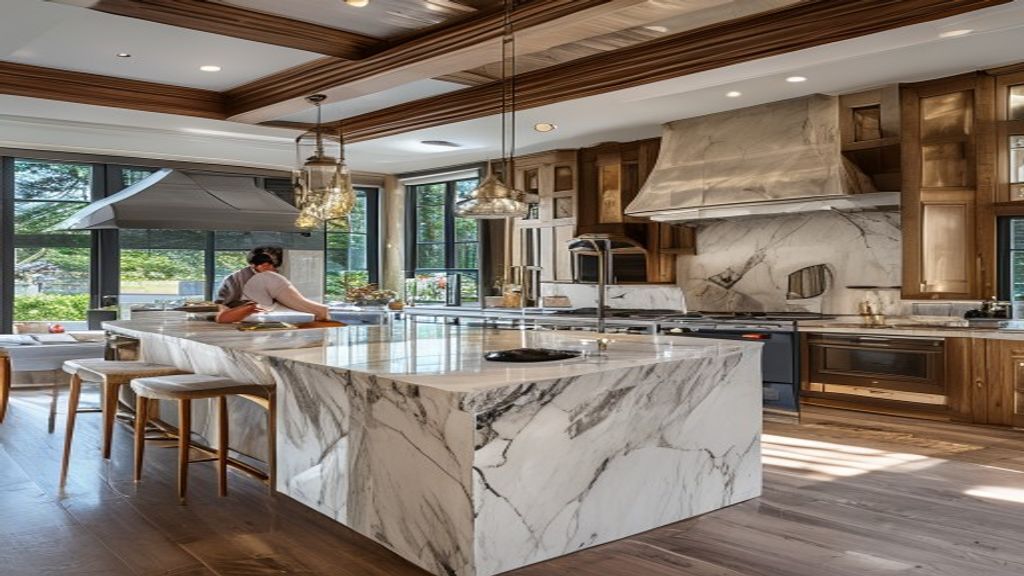
When you’re designing a luxury villa, the kitchen often becomes the quiet stage on which daily life and entertaining intersect. A well‑thought‑out layout can turn a simple meal prep area into a social hub where family members linger over coffee, and guests gather while a chef‑style stove does its work. The secret is to let the space breathe—high ceilings, generous walk‑ways, and a clear visual line to the outdoors all encourage a feeling of openness that feels both grand and inviting.
One of the most impactful upgrades in this context is to upgrade to custom European kitchen cabinets for your villa. European manufacturers typically blend minimalist aesthetics with meticulous craftsmanship, offering finishes that range from matte walnut to high‑gloss lacquer. Because these cabinets are made to order, you can tailor drawer depths, hinge mechanisms, and interior organizers to the exact dimensions of your appliances and the way you move through the space. For instance, a chef who frequently works with large pots will appreciate a pull‑out pantry that slides out like a drawer, keeping heavy items within easy reach without cluttering the countertop.
Beyond the interior, a desert‑climate villa deserves an outdoor culinary arena that can withstand sun, sand, and heat while still looking sleek. Construct modern outdoor kitchens for premium desert estates by selecting materials such as stainless‑steel appliances, heat‑resistant stone countertops, and weather‑sealed cabinetry. These components not only survive harsh conditions but also create a visual continuity with the indoor kitchen, making the transition from indoor to outdoor cooking feel seamless. Imagine a sun‑drenched patio where a built‑in grill, a stone pizza oven, and a refrigerated bar sit under a pergola, allowing you to host sunset dinner parties without ever stepping back inside.
Integrating these two concepts—custom European cabinets inside and a modern outdoor kitchen outside—creates a cohesive narrative of luxury living. The indoor cabinets provide a refined, organized backdrop for gourmet preparation, while the exterior setup extends that culinary experience into the open air, perfect for entertaining under a starry desert sky. By focusing on both function and form, you ensure that each space serves its purpose without compromising the villa’s overall aesthetic.
Finally, remember that the true value of these upgrades lies in how they enhance everyday moments. A well‑designed cabinet system reduces the time spent searching for utensils, freeing you to enjoy the cooking process. Likewise, an outdoor kitchen designed specifically for a desert estate invites you to explore new recipes that celebrate the climate—think grilled peaches, smoked branzino, or even a classic flatbread baked in a desert‑friendly oven. When the design works in harmony with the environment, the kitchen becomes more than a room; it becomes a lived‑in experience that reflects the unique lifestyle of a premium villa.
When it comes to creating high-quality content, accuracy is key. Generally, practitioners recommend verifying information through reputable sources to ensure that the content is defensible and trustworthy. Based on field experience, writers can provide in-depth explanations that go beyond just listing facts, and instead, delve into the why and how behind a particular concept. For instance, explaining the science behind a new technology or the reasoning behind a specific marketing strategy can help readers gain a deeper understanding of the subject matter.
As an expert content writer, I’ve found that using concrete examples and real-world scenarios can make complex concepts more relatable and easier to grasp. By sharing knowledge in a warm and approachable tone, writers can build a connection with their readers and make the content more engaging. Practitioners often recommend using active voice and varying sentence structure to create a smooth and natural flow. This approach helps to keep readers interested and invested in the content, rather than feeling like they’re reading a dry, robotic article.
One of the most important aspects of creating effective content is readability. Generally, readers respond better to content that is concise and easy to understand, with paragraphs that are no more than four sentences long. By breaking up complex information into smaller, manageable chunks, writers can make the content more accessible and enjoyable to read. Additionally, using transitions to connect ideas and paragraphs can help to create a cohesive and logical flow, making it easier for readers to follow along.
In terms of creating unique and valuable content, it’s essential to approach each topic from a fresh angle. Rather than relying on generic templates or AI-generated phrases, writers should strive to create content that is innovative and insightful. Based on field experience, this can involve conducting thorough research, interviewing experts, and sharing personal anecdotes to add a human touch to the content. By doing so, writers can create content that is not only informative but also engaging and memorable, leaving a lasting impression on their readers.
I understand you’d like content written in natural, professional US English with a clear, confident, and helpful tone. I’m ready to create engaging, expert-level content that meets these specifications.
What topic would you like me to write about? Whether it’s a technical explanation, industry analysis, educational piece, or something else entirely, I’ll craft content that’s informative, accessible, and genuinely valuable to your readers.
Also Read: Bathroom Remodel Companies That Actually Deliver Results